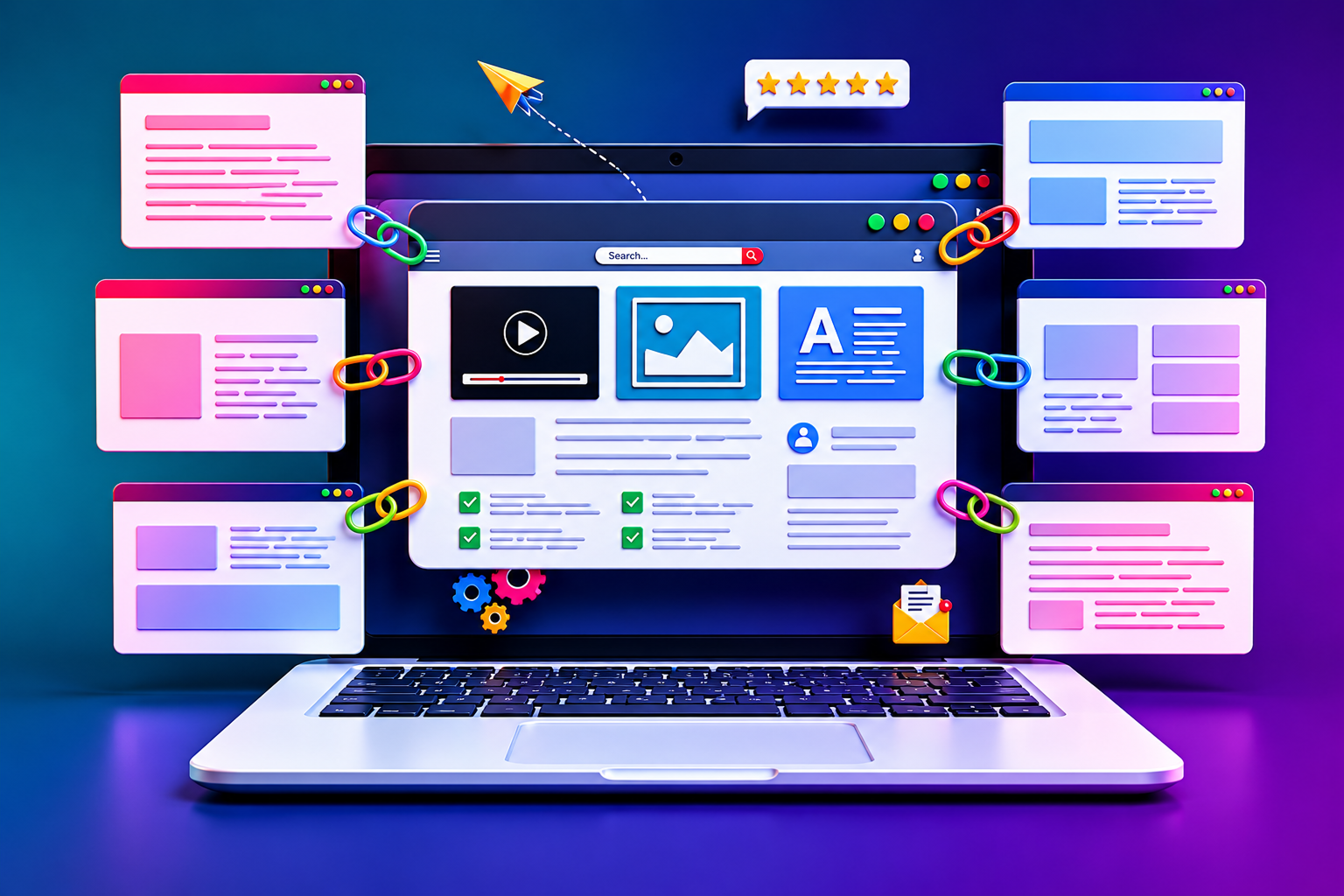
Many businesses treat their website like a digital brochure—a static page that just sits there. But a high-performing website should act as your 24/7 salesperson. If you are getting traffic but no inquiries, there is a “leaking bucket” in your user journey.
Converting a stranger into a paying client isn’t about luck; it’s about mastering these five critical pillars.
1. The 5-Second Rule: Clarity Over Creativity
When a user lands on your site, they should know exactly what you do within five seconds. If they have to hunt for information, they will leave.
- The Headline: Instead of “We Provide Best Services,” use “Custom Software Solutions to Scale Your Business 3x.”
- The Sub-headline: Explain the value you provide and who you provide it for.
- Visual Hierarchy: Use professional imagery that reflects your industry, not generic stock photos that look “fake.”
2. Speed is a Ranking Factor
In 2026, a 1-second delay in page load time can lead to a 7% reduction in conversions.
- Mobile-First Design: Most of your clients are likely browsing on their phones. If your site isn’t responsive, you’ve already lost them.
- Core Web Vitals: Google prioritizes sites that load quickly and remain stable as they load. A fast site builds instant trust.
3. Trust Signals: The “Social Proof” Engine
People buy from people they trust. Without trust signals, your website is just a bunch of claims.
- Case Studies: Don’t just list services; show results. (e.g., “How we helped a B2B client increase leads by 300%”).
- Testimonials: Video testimonials or LinkedIn-verified reviews carry more weight than anonymous text.
- Trust Badges: Display certifications, partner logos (like Google or Meta), and secure payment icons.
4. Direct Response Copywriting
Design catches the eye, but copywriting pulls the wallet. Your website copy should be focused on the client’s pain points, not your own ego.
- Focus on Benefits: Instead of saying “We have a 10-man team,” say “Get dedicated support that ensures your project never hits a deadline delay.”
- The “You” Factor: Count how many times you say “We” vs. “You.” Your client should be the hero of the story.
5. Strategic CTAs
A website without a clear CTA is a dead end. Every page should lead the user toward a specific action.
- Primary CTA: High-contrast buttons like “Get a Free Quote” or “Book a Discovery Call.”
- Transitional CTA: For people not ready to buy yet, offer a “Lead Magnet”—like a free PDF guide on Digital Transformation Trends.
The Anatomy of a High-Conversion Page
| Feature | Impact on Conversion | Why it Matters |
| Lightning Fast Loading | High | Prevents bounce rates and improves SEO ranking. |
| Humanized Copy | High | Builds an emotional connection with the prospect. |
| Interactive UI | Medium | Keeps users engaged and reduces “pogo-sticking.” |
| Live Chat/WhatsApp | Medium | Provides instant answers to sales objections. |
Is Your Website Costing You Business?
If your website feels like an outdated relic, it’s signaling to your clients that your business might be outdated, too. Modern web development isn’t just about coding; it’s about architecture, psychology, and sales funneling.
Conclusion
A website that converts is a balance of Art (Design) and Science (SEO & Data). Stop settling for a site that just “exists” and start building a platform that “scales.”